Across age-old chronicles,
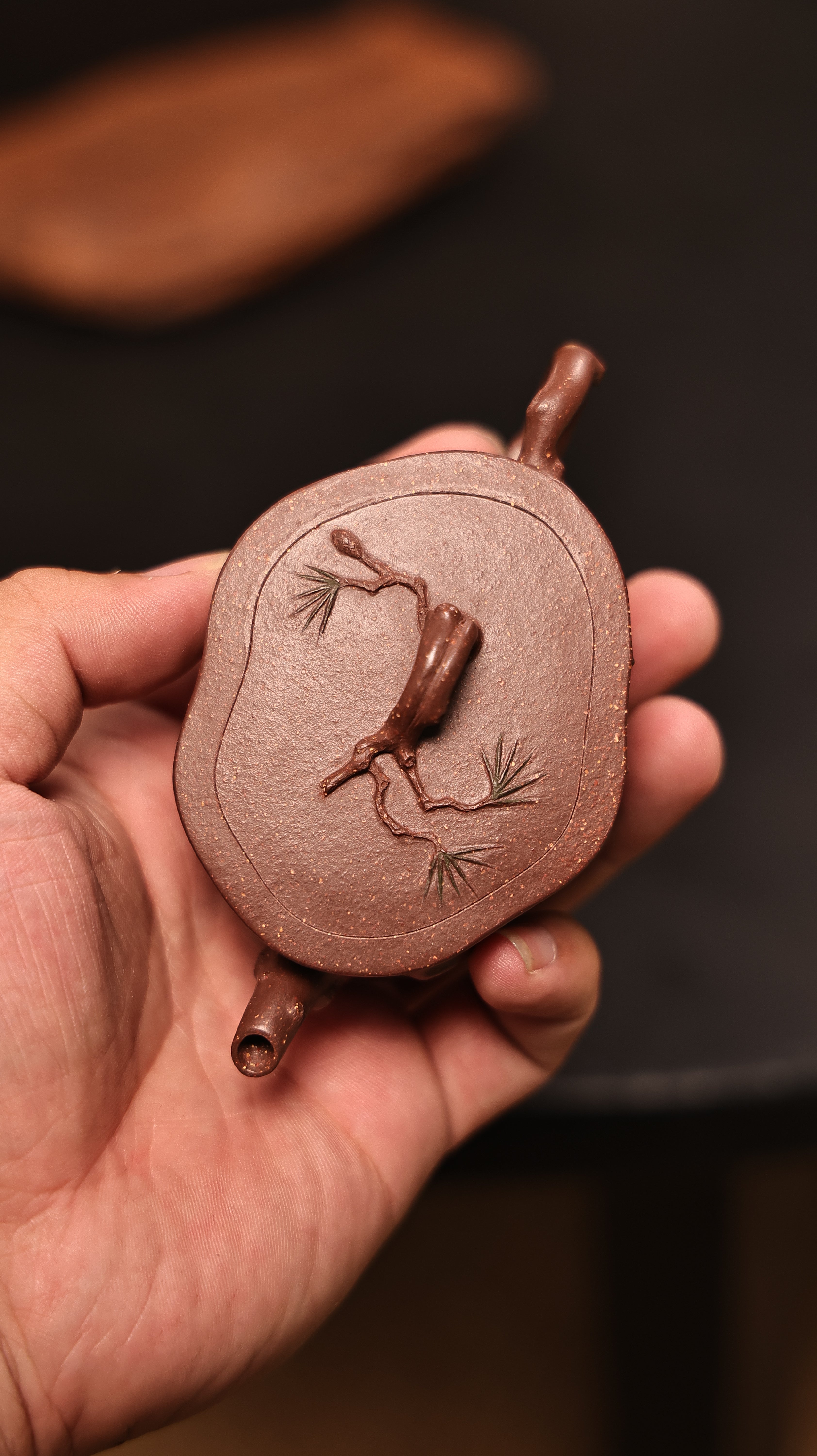
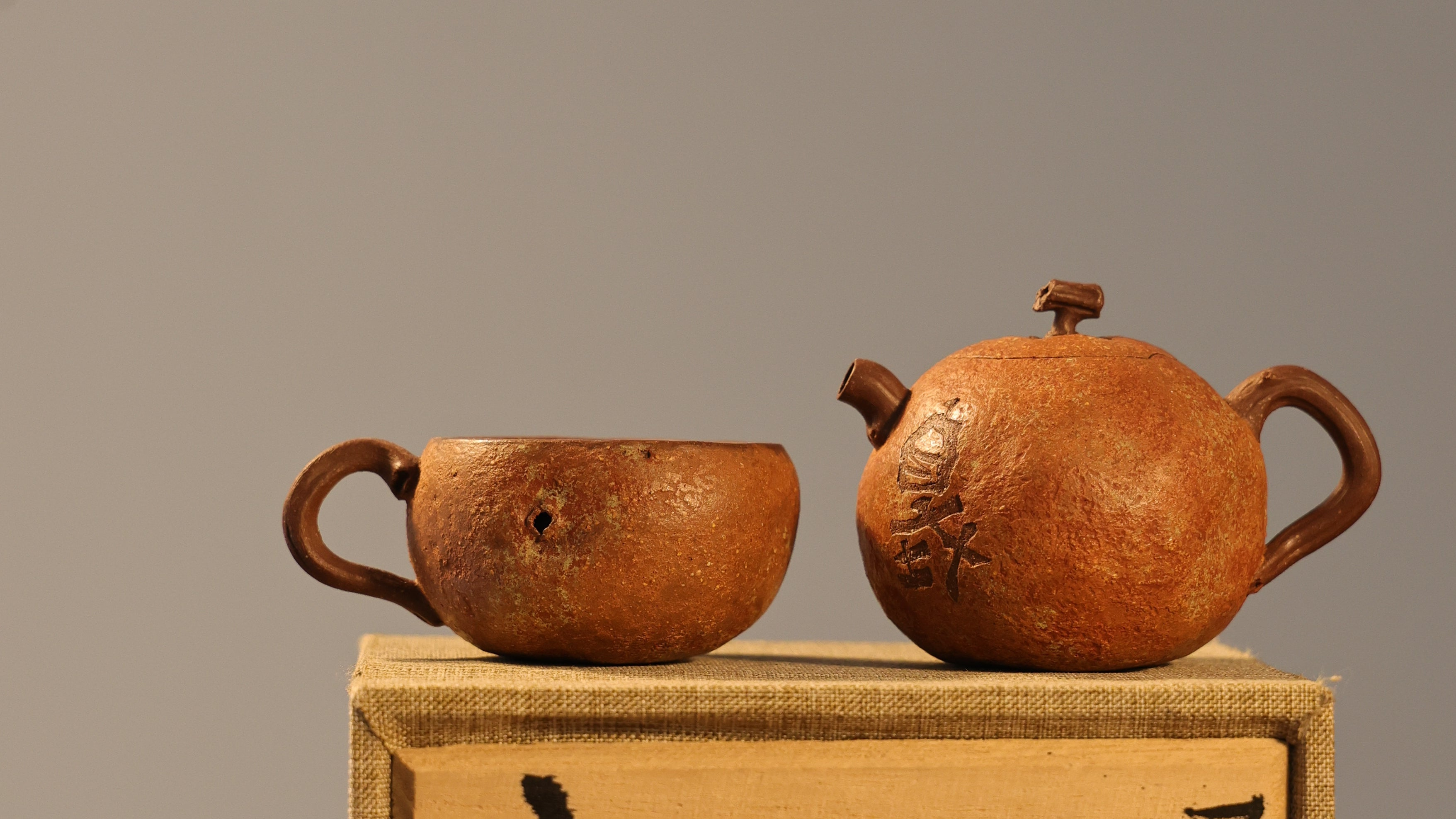
Across periods, aficionados have been fascinated by the uncommon charm of Yixing Zisha kettles. Originating from the territory of Yixing in the mainland, these pots are renowned for their remarkable beauty, limited clay, and innate ability to boost the essence of the liquor. The ground's distinctive auburn hue, combined with the skillful production of environmental potters, creates objects that are both functional art and valuable assets. Owning a Zisha teapot is more than just the purchase; it's experiencing a rich cultural heritage.
Understanding Yixing Teapots: History, Models, and Cost
Famous Yixing teapots manifest a extensive heritage deeply intertwined with Chinese culture. Deriving in the Yixing region of Jiangsu province, these clay vessels hold a heritage extending back to the Ming Dynasty. Initial copyrightples were functional, but over centuries, Yixing teapot building evolved into an esteemed art form. The clay itself, known for its unique vitality and ability to boost the flavor of the tea, exists a defining factor. Yixing teapots appear in various styles, broadly categorized by shape: Historic such as Zhuni (purple clay) and Bisheng, as well Yixing Zisha Teapot as exclusive designs. The cost of a Yixing teapot relies on several factors, including the potter’s reputation, the age of the piece, the rarity of the clay, and its aesthetic grace.- Chronology: Founding era
- Material: Several sorts
- Estimation Aspects: Craftsman's renown
Zisha Teapot Mastery: Craft and Artisans
The assembly of a real Zisha teapot is a complex process, requiring long spans of knowledge. Seasoned artisans meticulously pick the purest Zisha clay, a exceptional earth found only in specific regions of China. Conventional techniques, often inherited through families, involve exact shaping, refined carving, and calm firing in ancient hearths. The finished teapot isn't merely a utensil; it's a testament to aesthetic vision and the substantial connection between the maker and their lineage. Each product showcases the individual touch of the creator, resulting in a truly one-of-a-kind work of design.
The Clayware: Discovering the Broad Traditions of Yixing Province
The Yixing City, found in Jiangsu the province of Jiangsu, is extensively renowned for its exceptional teapots – a tangible representation of centuries of Chinese heritage. These aren't merely vessels for processing tea; they are intricate works of craftsmanship, often reflecting ideological ideals. The unique purple clay, known as Zisha, possesses unique qualities: the matter dense, permeable, and imparts a subtle quality to the tea.
- Many lineages have honed the techniques of Yixing urn making, passing down secret methods through lineages.
- Admirers prize these pieces for their beauty and uniqueness.
- Various piece tells a tale, connecting the imbiber to a rich lineage.
Purchasing Yixing Zisha: Guiding Points
Upon considering acquiring Yixing Zisha ceramics, diverse components demand careful scrutiny. First of all, the substance's cast is significant; authentic Zisha usually exhibits a characteristic rust-colored nuance. Besides, review the production; exacting attributes and a clean surface indicate talented artistry. Lastly, investigate the potter's background; esteemed names bring increased premiums and often guarantee a better appreciation.
How to Brew Premium Tea with Zisha Clay
Infusing sumptuous tea with a Zisha urn is more beyond a simple procedure; it's an discipline. Zisha clay, celebrated for its unique mineral composition, imparts a elegant character to the crafted tea that’s often unavailable with other wares. The optimal water warmth is essential; typically, lower than what's used for black tea, to sustain the tea's odor and note. Consider attentively the tea variety; delicate green teas or aged pu-erhs advance from the Zisha’s ability to lessen their original edge. It’s necessary to warm the teapot earlier than brewing, and to shun over-steeping. Mastering this method leads to a genuinely exceptional tea phenomenon.
- Appreciating Zisha Clay
- Water Warmth & Variety of Tea
- The Importance of Pre-warming
Enhancing Your Renowned Vessel
Intending to sustain the existence of your esteemed Yixing vessel, ongoing servicing is vitally required. Avoid using soap; instead, lightly clean it with pleasantly heated fluid. Avoid sharp heat; please don't put the earthenware directly onto a fiery stand. Periodically, mature the urn by infusing it with choice aged steep, as this aids to boost its personality and guards the inherent merits of the substance.
Dealing with Earthenware to Drinkware: The Journey of a Renowned Ceramic
This creation of a Zisha teapot is a extraordinary method, a proof to both nature's bounty and the ability of the specialist. It starts with the diligent extraction of the rare clay from the reddish Zisha mines in proximity to Yixing. This prime material, known for its superior traits, is then measuredly refined and formed for the foundational forming. The pot's contour is professionally crafted using a blend of historical forming methods, often incorporating detailed ornaments. Following hardening, the vessel undergoes a essential first firing, accompanied by a varnishing stage, which might involve countless layers of pure Zisha slips. Finally, a second, and sometimes third, firing at extreme temperatures finalizes the object, revealing its definitive beauty and magnificent characteristics - a honest masterpiece, ready to enhance a tea gathering.
{Yixing Teapots: A Sign of the Legacy and Tribute
Legendary Yixing teapots, originating from the noted Yixing region of Jiangsu province, are far more than mere jars for brewing tea; they represent a profound aspect of Chinese culture. Made from distinctive purple clay – zisha – these exceptional teapots are highly valued for their ability to improve the flavor of the tea and, crucially, for their aesthetic appeal. The legacy of Yixing teapot making spans centuries, and the craft involved is inherited through generations, making each teapot a artistic creation that embodies ancient techniques and a profound appreciation for the understated pleasures in life.