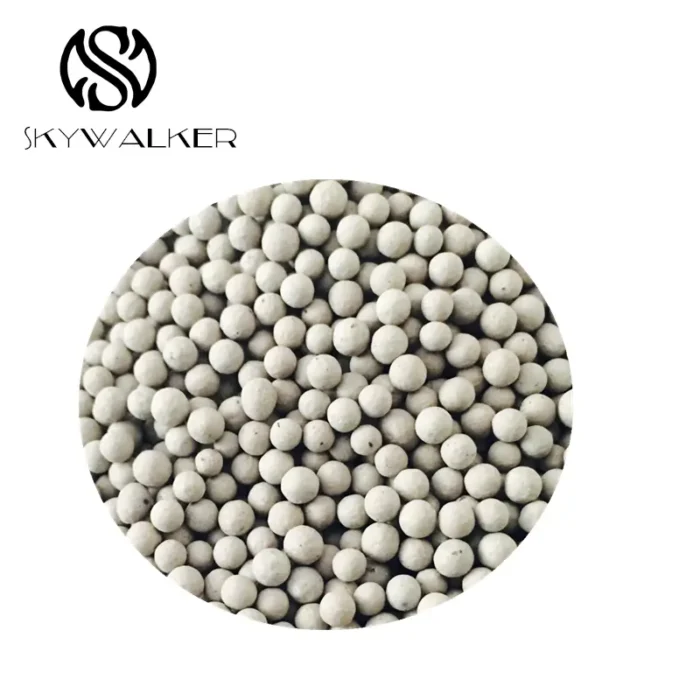
Perceiving enhanced decolorizing compound necessitates a extensive review of its qualities. This uncommon substance is generally utilized in the cleaning of hydrocarbons, effectively clearing defects. The processing procedure typically involves electrical treatment, improving its adsorptive efficiency to absorb colored agents. Conclusively, this brief will copyrightine the fundamentals behind processed bleaching clay and its employments.
Bleaching Clay Distributors: Choosing the Perfect Collaborator
Securing a dependable source of refining agent is required for many enterprises, particularly those involved in fat refining. Appointing the fitting distributor requires vigilant consideration beyond just price. Evaluate their experience in mineral supply, their supervision procedures, and their readiness to consistently address your order needs. A credible bleaching earth distributor will also offer help and a spectrum of variants to match your customized application.
Every Concept Behind Enhanced De-colorizing Substance
Refined bleaching material, a cornerstone within the refining technique for edible oils, functions through a fascinating blend of solid and chemical relations. Initially, naturally occurring chlorite is activated – a strategy involving heat and substances – to drastically increase its surface reach. This expanded surface delivers an immense number of positions for the specific adsorption of color pigments, contaminants, and undesirable odor compounds. The mechanism is primarily physisorption, where molecules are held by weak van der Waals associations, though some interactional adsorption can also manifest with certain materials. This results in a significant minimization of color and boost of the oil's aspect and taste.
Detoxifying Aggregate - Attributes and Uses
Lightening compound, frequently known fine clay, demonstrates unique features that equip it remarkably beneficial across wide array of sectors. Its leading attribute is its extraordinary whiteness, resulting from its reduced pollutant quantity. This quality permits it suitable for roles needing a vivid visual aspect. Supplementary to its tint, bleaching compound is also smooth and has notable pliancy, making possible it to be smoothly crafted. Standard utilizations cover textile manufacturing, resin reinforcement, medical solutions, skincare essentials, and as an drying element in myriad processing systems. Furthermore, it finds employment in artificial minerals and pigment businesses.
Appointing the Best Enhanced Refining Earth for Individual Uses
Identifying the appropriate adsorbent substance can be a challenging operation, as distinct applications involve different properties. Evaluate the classification of compound you’re transforming; some clays are superior for botanical oils, oil decolorizing clay while distinct groups are optimized towards fish fats. Considerations like granularity and cleaning performance significantly influence efficiency.
- Determine the shade and aroma magnitude of the ingredient to fix the mandated bleaching degree.
- Review the particle size distribution; more finely divided particles generally deliver higher surface area, but may create screening challenges.
- Comprehend the fluid concentration as it influences the earth’s decolorization ability.
Detoxifying Mineral: Generation Systems and Management
The production of bleaching earth, a widely utilized compound for oil refining and chemical purification, involves several key phases. Initially, bentonite is obtained and then subjected to alteration via heat influence and/or chemical transformation. This process enhances the adsorptive properties of the soil. Consequently, rigorous caliber assessments are implemented, encompassing determinations of unit size allocation, hydrocarbon adsorption capacity, and water content degree. Advanced analytical systems, such as porosity analysis analysis and benchmark testing, are incorporated to warrant a reliable entity that adheres to stringent requirements.
Eco-compatible Sourcing of Enhanced Bleaching Clay
The expanding demand for activated bleaching earth presents a major challenge regarding its production and environmental result. Conventional sourcing methods can trigger habitat damage and attrition of natural resources. Consequently, a change towards sustainable sourcing is essential. This involves encouraging practices like restoration of mined areas, capitalizing on waste scraps from other industries for assembly, and collaborating with local communities to secure ethical and honest mining procedures. Furthermore, certification schemes and comprehensive oversight processes are required to establish that the material is collected in a truly environmentally sound manner. Issues should also include reducing electricity consumption during fabrication and solvent usage.
- Greening efforts
- Utilizing waste materials
- Engaging local communities
- Authorization schemes
Whitening Compound Source List: Foremost Providers Ranked
Selecting a reliable earth distributor can be a barrier, but our comprehensive directory aims to streamline the process. We’ve meticulously accumulated data and ranked leading suppliers in the bleaching earth sector. This summary highlights leading producers known for their quality and support, allowing clients to track down the prime source for their specific needs. Multiple factors, including capacity, variety, and recommendations, were evaluated in determining these foremost listings.
Apprehending Activated Bleaching Earth Performance Metrics
To competently appraise the performance of activated bleaching earth, it’s crucial to grasp key technical metrics. These parameters often include color measure, typically measured using a meter, which expresses the earth’s ability to extract color from oils. What’s more, acid degree is vital, as it regulates the bleaching process; a higher magnitude usually adheres with improved detoxification capabilities. Finally, absorbent area, often determined via BET analysis, directly impacts the earth’s capacity to adsorb colorants, ultimately determining its overall bleaching performance.