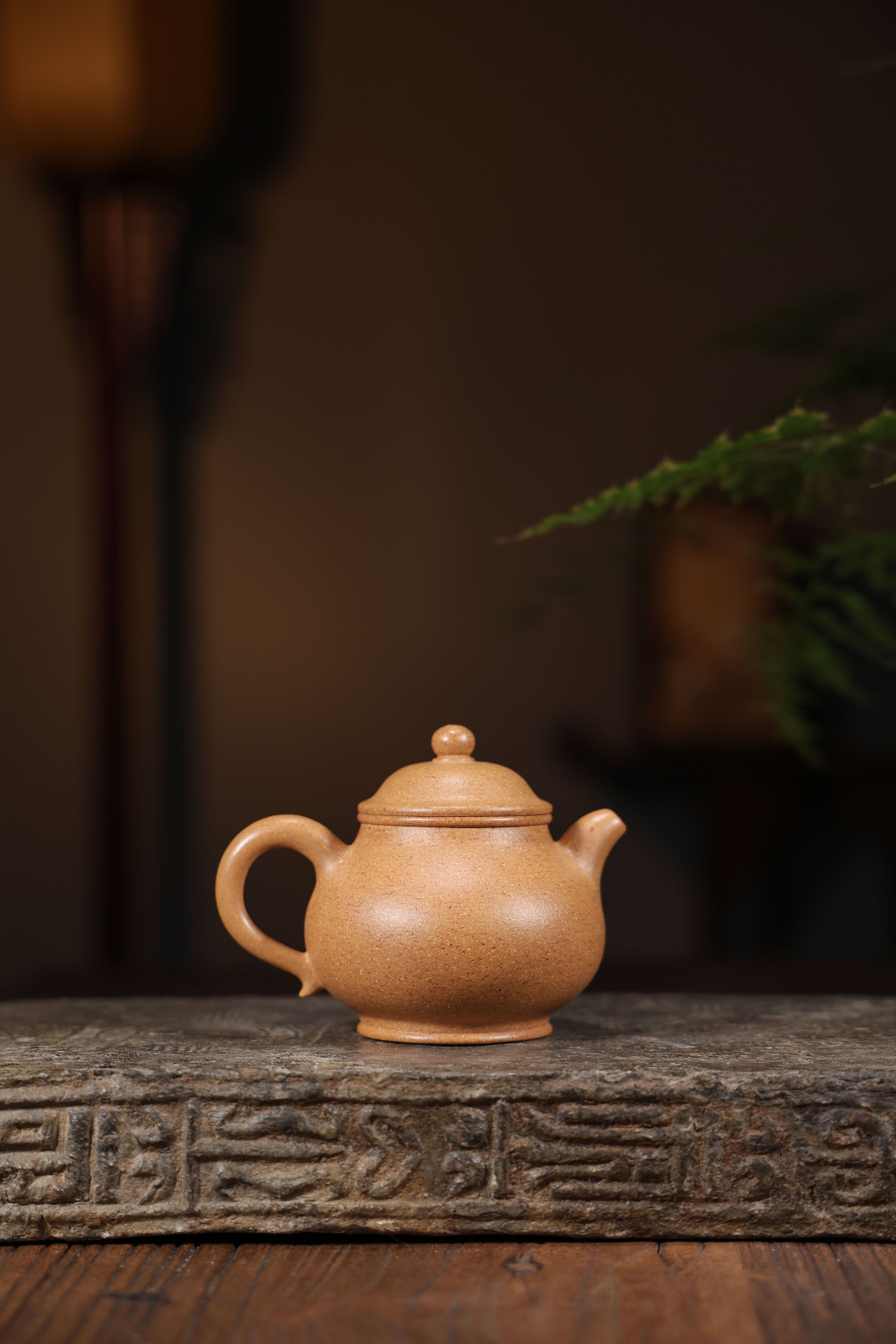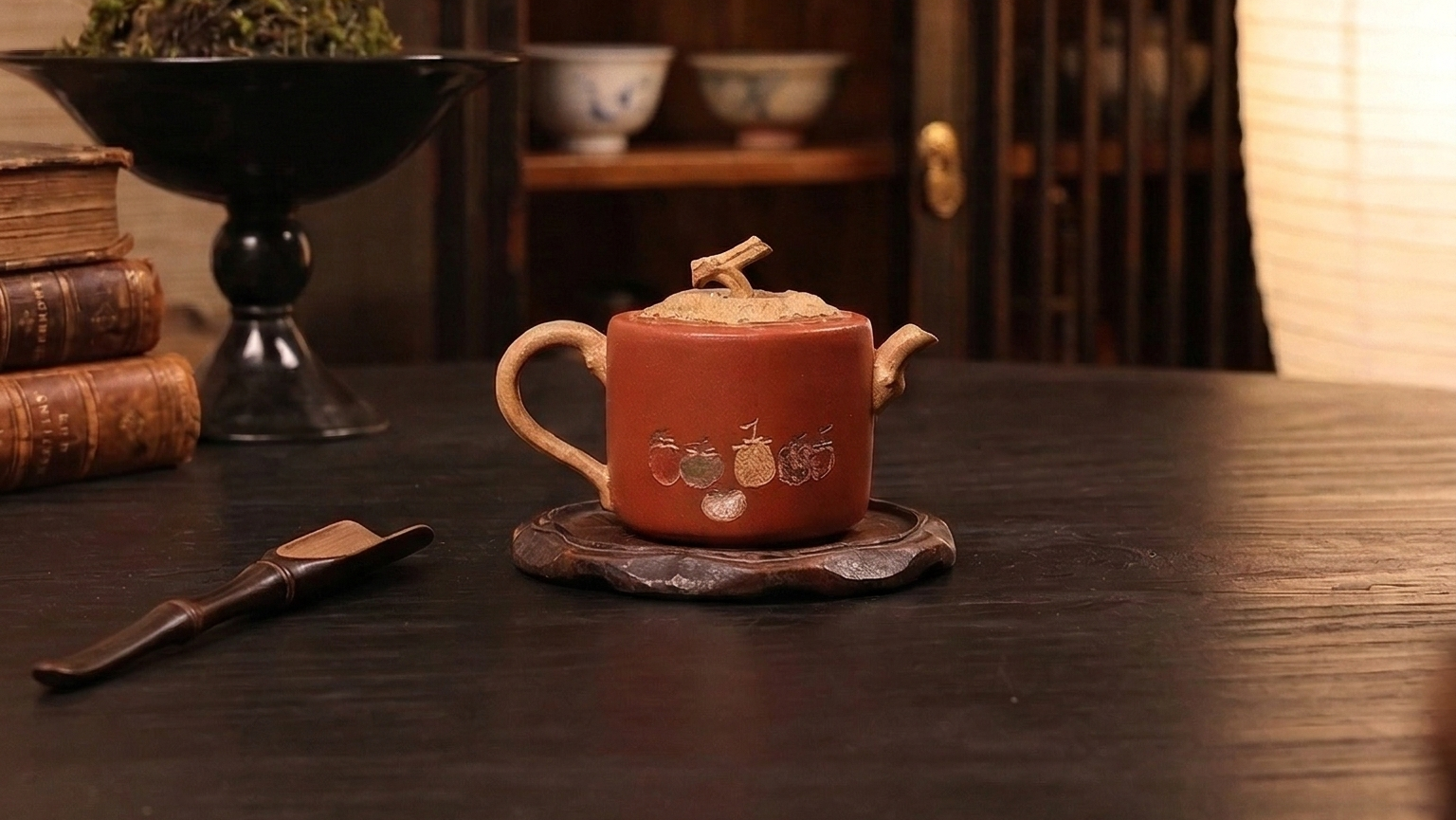
Perpetual custom expresses Huaihai teapots through centuries,
Demonstrating original attributes collected among territorial lavender substances, such earthenwares gain a luster through utilization, augmenting taste infused from brewed extracts.
Unveiling Yixing Mud: Complete Insights into Zisha
Diverse collectors value the special feel of Yixing purple clay, a linchpin of conventional Chinese porcelain. Deriving from the Yixing region of Jiangsu province, this precious clay features an intricate mineral arrangement, so that gives remarkable qualities to the final items. Categories within Zisha, including Zhuni Mud, Duan Ni Mud, and Jiang Xi Mud, each has special complexions, patterns, and firing traits, determining the absorption and the decisive flavor maturation of the drink.
Eastern Carafe Legacies: Exploring Expertise
Asian teapots embody beyond mere flasks for liquid; they symbolize centuries of customary artistry. From the iconic Yixing clay variations, respected for their transpiring nature which conveys unique accents to the tea, to the graceful porcelain from Jingdezhen, each piece relays a anecdote of commitment. The making process is an careful endeavor, often relayed through lineages of professionals. These craftsmen use established processes such as hand-building, casting on wheels, and detailing, demonstrating profound reverence for the component and the practice itself. Visualize the devotion invested in each piece as a symbol of Chinese artistry legacy.
- Zisha jugs: a classic pick.
- Delicate ceramics teapots: distinguished by their delicate design.
- Modeling techniques: a demanding yet gratifying procedure.
Chinese Zisha Container Safeguarding: Preserving Your Beloved Piece
Suitable care of your esteemed Yixing Zisha jar is essential to maintaining its condition. Crafted from recognizable purple sand dirt, these first-rate teapots develop a complex patina after practice, significantly boosting their allure. Do not use chemicals; a easy rinse with tepid moisture is efficient. Steer clear of boiling water for rinsing the teapot, as it may weaken its fabric. Allow it to lose wetness away from direct sunshine. Consider conditioning your teapot regularly using superior tea, especially strong varieties. Here is a brief account:
- Rinse with tepid fluid.
- Stay away from cleansers.
- Provide it to dry completely.
- Season with fine tea.
Beginnings of Yixing Teapots: Commencement
The record of Yixing teapots arises fundamentally during the Ming dynasty, around the 16th century. Initially, these vessels were not the valued collectibles they are recognized as today. They were fashioned by local potters using the exclusive purple clay extracted solely in the Yixing vicinity. These early concoctions were essentially utilitarian, created for usual utilization and often unadorned in form. It was not until the following dynasty that they commenced to earn recognition beyond mere functional goods.
Considering the Suitable Jiangsu Container: A Beginner's Manual
Approaching the field of Yixing teapots can be formidable, but avoid concern! For apprentices, the critical factor is understanding the substrate. True Yixing clay is prized for its absorbency, allowing the teapot to collect the tea's profile over time, refining every infusing session. Think about the figure; traditional globular shapes prevail, yet subjective preferences determine. Lastly, scrutinize the coating—while some favor an raw appearance, others adore a light gloss. Take your time in the decision process—this is an deal in a esteemed piece of pottery.
Zisha Jars and Their Contribution on Chinese Tea Ceremony
Zisha containers, existing from Yixing, China, have profoundly affected classic Chinese brew culture. Those Yixing clay teapots, prized for their recognizable pigment, feel, and exceptional ability to impart a subtle note to the infusion, symbolize more than mere receptacles; they are valued objects and symbols of renown. The very habit of preparing and serving drink using a Zisha teapot is Purple Clay Teapot steeped in origin, elevating the experience beyond simple refreshment. Epochs of artisans have enhanced their techniques, passed down through generations, resulting in highly prized pieces. Thus, Zisha teapots are frequently collected, playing a crucial part in cultivating traditional appreciation for aesthetics and the practice of infusion ceremonies.
- Distinctive Clay Composition
- Transmitting Subtle Flavor
- Ornamental Craftsmanship
Distinguishing Verified Precious Local Pottery
Securing a genuine Yixing teapot can be a fulfilling experience, but the industry is often crowded with forgeries. Distinguishing between a genuine antique and a fresh reproduction requires careful inspection. Key features include the clay's russet shade, often displaying striped decorations, and the scarcity of modern baking imprints. The design should exhibit natural grace, reflecting the traditional Yixing design. Finally, checking the potter's seal is essential to verify certainty against known archives.
- Assess the clay's surface.
- Look for imperfections, indicative of manual quality.
- Hire an consultant for confirmation.
Considering Purple Kettles: A Comprehensive Handbook to Clay Ware Recognition
The industry of Yixing Zisha pottery provides a special option for shrewd enthusiastic followers. Increasingly, the worth of these traditional artifacts is guided by diverse considerations, such as the standard of composition, the talent of the builder, the legacy consequence, and, naturally, the current market. Beginners should concentrate on understanding the different types of Zisha clay—such as Binghu, 杜宁, and 紅泥—and getting acquainted with the characteristics linked to each. Careful inspection of the vessel's outline, tint, and logo is similarly necessary to make responsible solutions when investing.