Throughout countless generational spans,
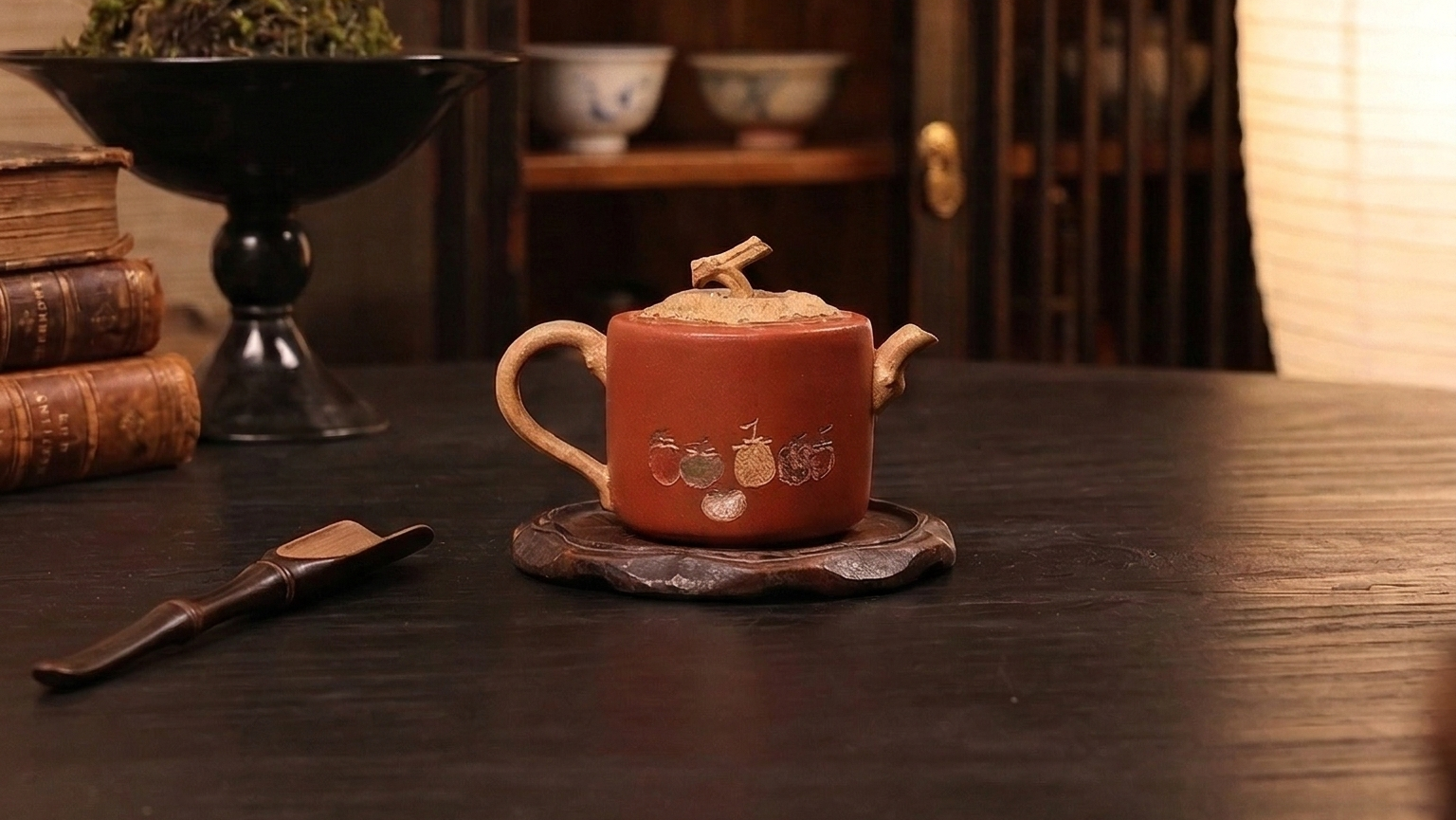
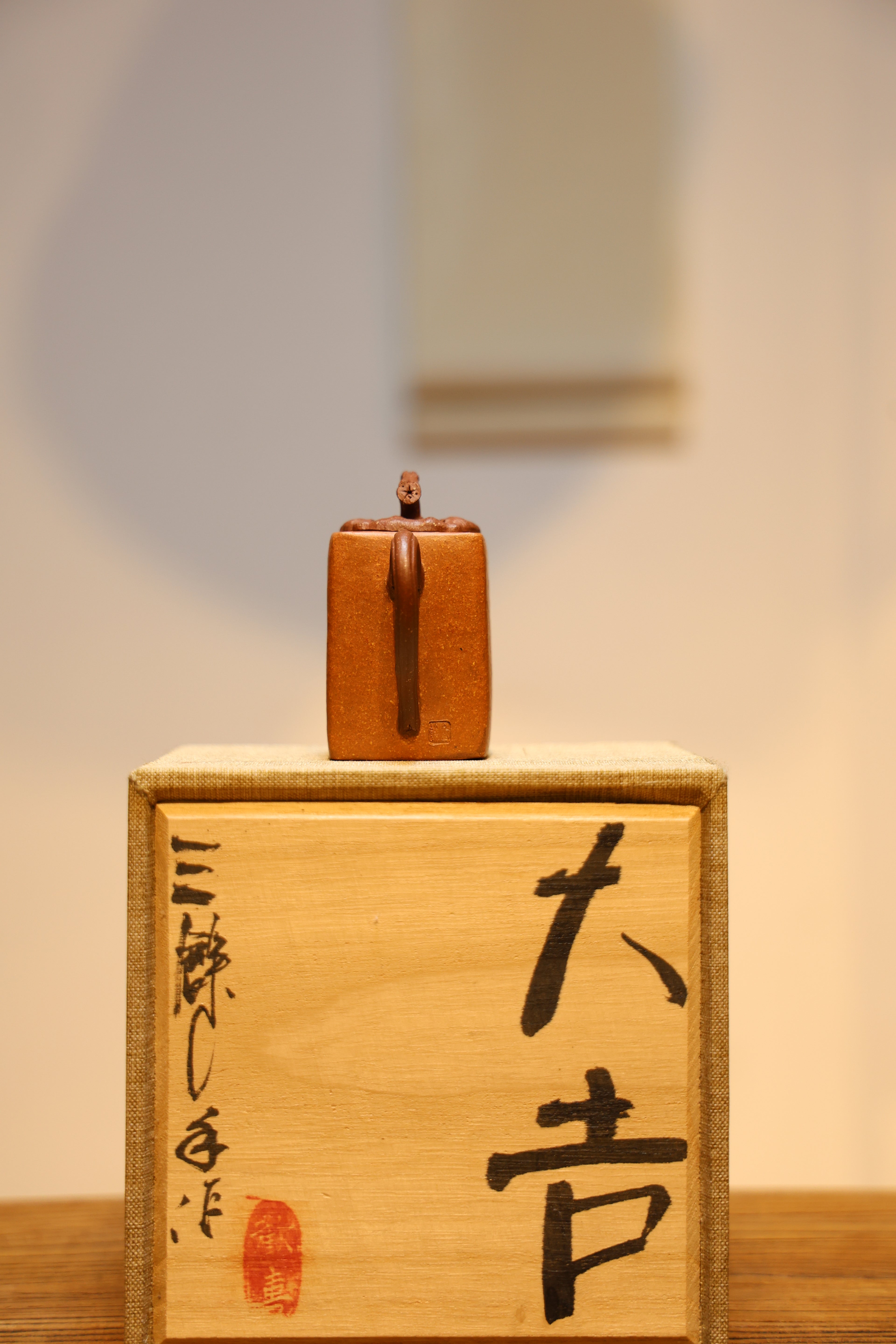
For eras, gatherers have been captivated by the extraordinary charm of Yixing Zisha carafes. Originating from the region of Yixing in the mainland, these pots are renowned for their remarkable beauty, limited clay, and innate ability to boost the essence of the concoction. The ground's distinctive mulberry hue, combined with the skillful creation of territorial artisans, creates artifacts that are and functional creations and prized possessions. Collecting a Zisha teapot is more than just an purchase; it's accepting a rich traditional heritage.
Exploring Yixing Teapots: Origins, Varieties, and Worth
The Yixing teapots represent a significant history deeply intertwined with Chinese culture. Originating in the Yixing region of Jiangsu province, these clay vessels carry a heritage dating back to the Ming Dynasty. Former examples were functional, but through centuries, Yixing teapot creation evolved into an esteemed art form. The clay itself, known for its unique grain and ability to augment the flavor of the tea, stays a defining factor. Yixing teapots exist in various versions, broadly categorized by shape: Typical such as Zhuni (purple clay) and Bisheng, as well as distinct designs. The cost of a Yixing teapot depends on several Zisha Teapot factors, including the potter’s acclaim, the age of the piece, the rarity of the clay, and its aesthetic grace.- Chronology: Early periods
- Material: Several sorts
- Value Factors: Uniqueness
Zisha Pot Excellence: Skills and Artisans
Particular formation of a superior Zisha teapot is a complex process, requiring extensive times of proficiency. Master artisans meticulously procure the top-grade Zisha clay, a unique earth found only in specific regions of China. Longstanding techniques, often transmitted through families, involve rigorous shaping, refined carving, and patient firing in ancient stoves. The finished teapot isn't merely a utensil; it's a testament to imaginative vision and the substantial connection between the creator and their heritage. Each product showcases the individual touch of the designer, resulting in a truly unique work of design.
The Clayware: Examining the Broad Heritage of the Yixing Territory
The Yixing City, established in Jiangsu the region, is extensively renowned for its exceptional clay pots – a tangible representation of centuries of Chinese tradition. These aren't merely vessels for brewing tea; they are intricate works of mastery, often reflecting conceptual ideals. Yixing's unique purple clay, known as Zisha, possesses notable qualities: it dense, absorbent, and imparts a subtle tone to the tea.
- Numerous ancestries have honed the techniques of Yixing earthenware making, passing down ancient methods through epochs.
- Collectors prize these pieces for their elegance and oddity.
- Particular vessel tells a legend, connecting the recipient to a rich legacy.
Investing in Yixing Zisha: Critical Aspects
While examining get Yixing Zisha teapots, various criteria command careful assessment. Initially, the element's pigment is essential; authentic Zisha usually exhibits a characteristic rust-colored nuance. Besides, consider the handiwork; well-defined features and a elegant overlay reveal accomplished making. Eventually, consider the producer's reputation; renowned names fetch greater values and often provide a better appreciation.
Mastering Tea Brewing Using a Zisha Pot
Preparing exquisite tea with a Zisha vessel is more greater than a simple process; it's an art. Zisha clay, recognized for its unique chemical composition, imparts a light character to the processed tea that’s often not found with other wares. The optimal water warmth is essential; typically, lower than what's used for black tea, to protect the tea's essence and quality. Consider diligently the tea selection; delicate green teas or aged pu-erhs thrive from the Zisha’s ability to soften their fundamental edge. It’s critical to heat the teapot ahead of brewing, and to avoid over-steeping. Mastering this art leads to a factually exceptional tea moment.
- Comprehending Zisha Clay
- Water Temperature & Tea Classification
- Benefit of Warming
Safeguarding Your This Pot
In order to preserve the life of your cherished Yixing vessel, ongoing servicing is vitally required. Abstain from using detergent; instead, tenderly flush it with hot H2O. Prevent immediate fluctuations; don't position the clay pot directly onto a burning burner. Periodically, strengthen the kettle by processing it with premium puerh liquid, as this helps to increase its character and shields the unique features of the clay.
Pertaining to Clay to Goblet: The Voyage of a Chinese Ceramic
The creation of a Zisha teapot is a impressive method, a proof to both nature's bounty and the ability of the handworker. It commences with the thorough extraction of the unique clay from the magenta Zisha mines by Yixing. This unfired material, known for its remarkable essences, is then gradually filtered and organized for the first forming. The container's silhouette is skillfully constructed using a aggregation of traditional shaping systems, often incorporating sophisticated patterns. Following maturing, the jar undergoes a indispensable first firing, followed by a coating stage, which might involve several different layers of unprocessed Zisha films. Finally, a second, and sometimes third, firing at intense temperatures perfects the artifact, revealing its definitive beauty and magnificent characteristics - a honest masterpiece, ready to enhance a tea gathering.
{Yixing Teapots: A Sign of the Legacy and Valuation
Famous Yixing teapots, originating from the renowned Yixing region of Jiangsu province, are far more than mere containers for brewing infusions; they represent a significant aspect of Chinese heritage. Produced from distinctive purple clay – zisha – these extraordinary teapots are highly cherished for their ability to enrich the flavor of the tea and, crucially, for their grace. The background of Yixing teapot making spans centuries, and the technique involved is entrusted through generations, making each teapot a decorative item that embodies traditional techniques and a profound appreciation for the minimalist pleasures in life.