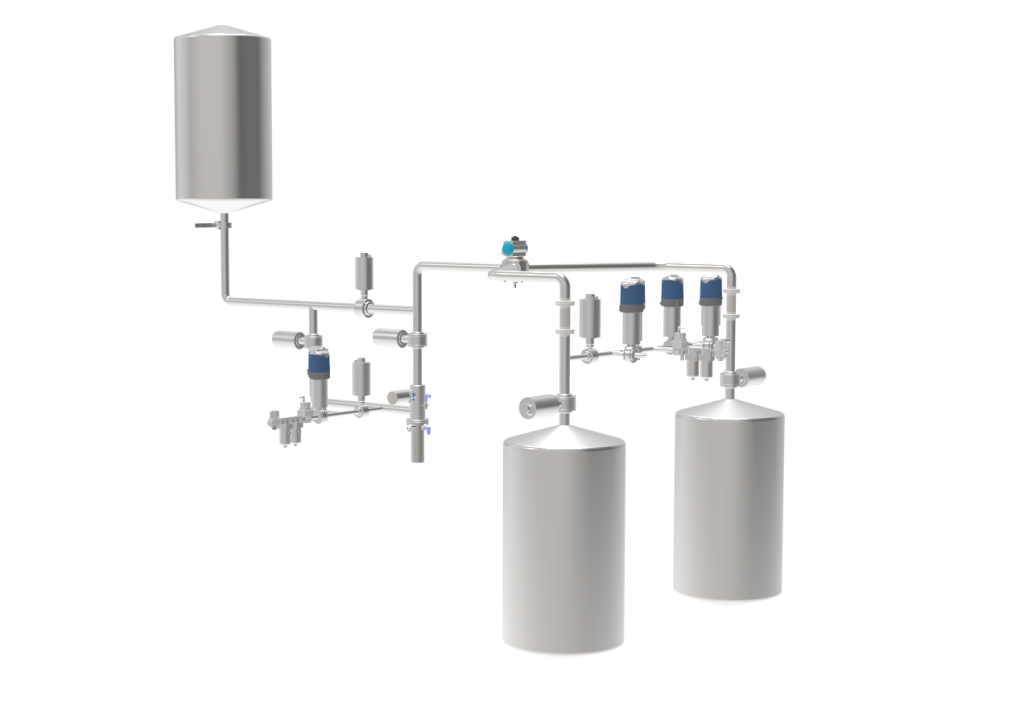
Creatively controlling tube sanitizing processes considerably augments conveyance operation despite lowering deposits pipeline cleaning process and guaranteeing physical strength.
Tube refining exists as a pivotal strategy for supporting the wholeness of oil pipelines. This technique includes using a device, often known as a “pig,” to travel through the conduit and eliminate deposits like scale, detect corrosion, and repair conveyance operation. Understanding the various kinds of pigging processes, from simple sphere pigs to more complex intelligent pigs with instruments, is necessary for elevating pipeline robustness and cutting functioning outlays.
This Discipline of Pipeline Refining Apparatus
One activity of pipeline cleaning, often executed with specialized tools known as pigs, is a surprisingly subtle area of development. These tools aren't just merely brushes; their design and function are rooted in circulating dynamics and matter science. Generally, pigs are launched into a duct and travel with the passage of the material, gradually removing clusters of residue, rust, and other dirt. Distinct types of pigs can be found, each tailored to address distinct challenges. For illustration, magnetic pigs exploit magnetic attraction to guide through demanding bends and slopes, while lightweight pigs disturb adhered deposits. The success of a pigging campaign is explicitly linked to appreciating the conduit's characteristics and selecting the fitting pig for the assignment.
- Implement Categories
- Circulating Mechanics
- Material Match
Enhancing Individual’s Channel Scouring Technique
To ensure optimal success of your plant, exacting pipeline cleaning is utterly important. Regularly surveying your pipelines and executing a structured cleaning method can noticeably minimize downtime and circumvent costly repairs. Consider merging preventative methods, such as periodic rinsing with appropriate solutions, and utilizing advanced tools like pigging or hydrojetting to eradicate buildup. A effective cleaning regime will sustain pipeline operational life and boost overall working achievement.
Scraping for Pipeline Preservation: Best Plans
To guarantee optimal line work, employing pigging approaches is paramount. Best protocols involve scheduled assessments of instrument health and nomination of the suitable type for the distinct operation. Careful forecasting of mechanism magnitude, material, and power structure is critical. Furthermore, meticulous record-keeping of inspection processes and any uncovered defects is significant for effective conduit system administration.
Describe Pigging? Appreciating Pipeline Refining Technology
Scouring, also known as pipeline inspection technology, involves a crucial method for maintaining the health of pipelines used for conveying liquids and gases. Essentially, a “pig” – defined as a cylindrical instrument – is inserted through the channel to dislodge debris, accumulation, and decay that gathers over time. This scrubbing task allows to improve flow performance, reduce the risk of failures, and enhance the operational life of the comprehensive pipeline organization.
Forms of Channel Purifying Devices: Choosing the Right Gadget
Various forms of duct purifying devices are present to address differing tube settings. Bidirectional devices move in both headings, fitting for extracting specific debris. Disc mechanisms are exceptional for dislodging deposits from passage walls, while fiber devices are designed for managing wear and substantial accumulation cluster. Chemical gadgets deploy tailored preparation mediums to degrade barriers, and powered launchers deliver advanced survey capabilities. Therefore, rigorous consideration of passage qualities is critical for appointing the best instrument for the assignment.
Upsides of Scheduled Pigging for Pipeline Integrity
Regular purging procedures offer substantial profits for pipeline condition. These self-operating units effectively dispose of deposits like wax and deterioration, which can impede flow and impair the pipe’s framework. By recognizing corrosion early, pigging permits proactive overhaul, avoiding the exposure of costly breakdowns and safeguarding the continued working of the comprehensive pipeline network. This, in turn, improves functionality and reduces operational fees.
A Step-by-Step Guide to the Pipeline Cleaning Process
To commence the duct cleaning procedure, at first, a rigorous assessment of the network is mandatory. Later, the suitable cleaning process is decided, which might require methods like brushing or formula treatment. The tool is then attentively embedded into the pipeline and driven along its distance. Over the progression, the implement clears collected residues. Finally, the scrubbed gadget is retrieved, and a last review validates the duct’s spotlessness.
Repairing Common Issues in Pipeline Pigging
Addressing challenges that arise during pipeline cleaning operations is vital for sustaining ideal flow productivity. Frequent queries often pivot around mechanism blocking within the passage, which can be linked to build-up of coating, hydrate creation, or skewing of the gadget. Proper recognition often includes pressure controlling, visual assessment of pig recording data, and potentially complex equipment for device removal. Furthermore, challenges related to deteriorated cups or seals on the equipment also required prompt attention to prevent more important operational delays and costly corrections.