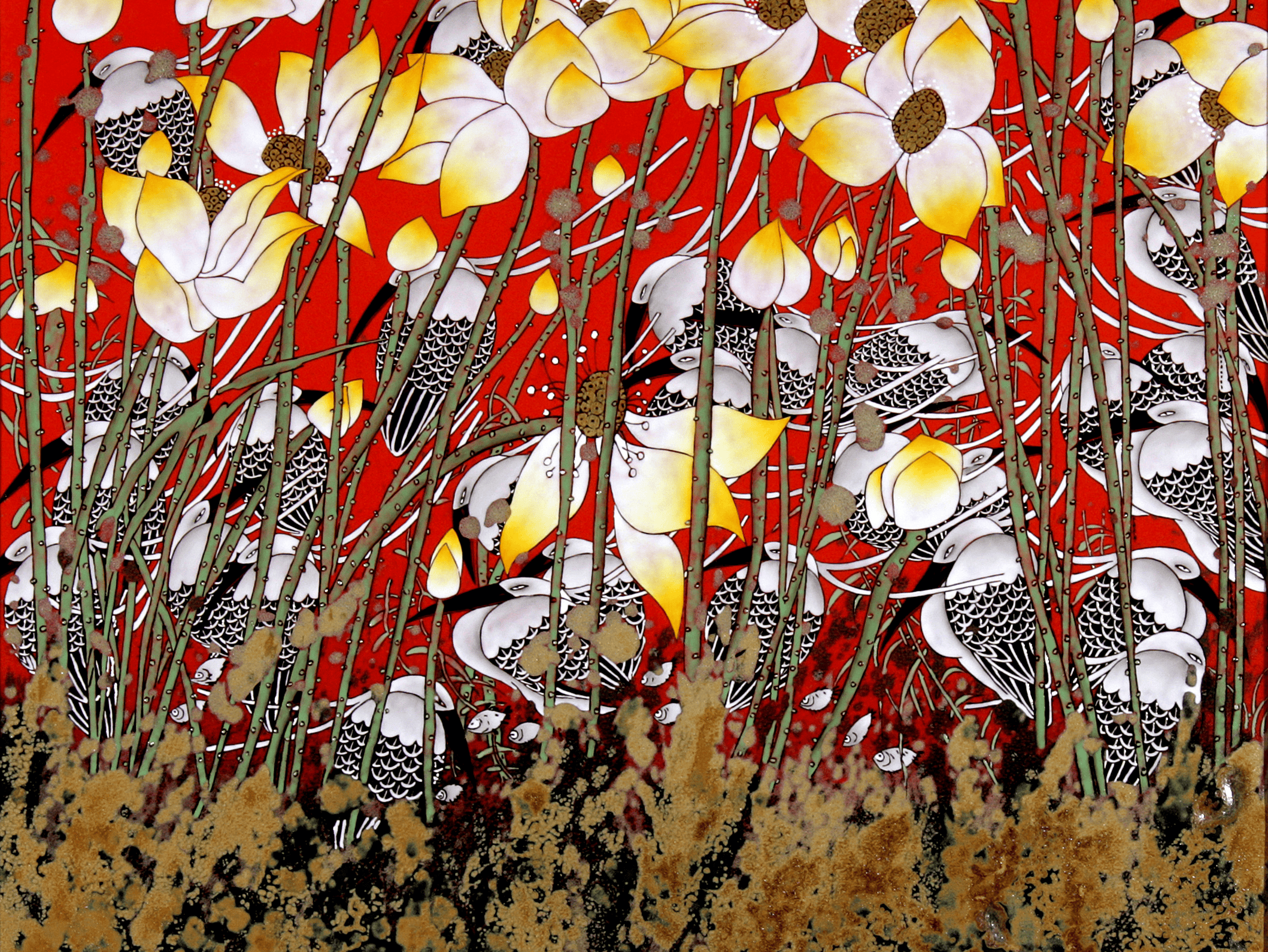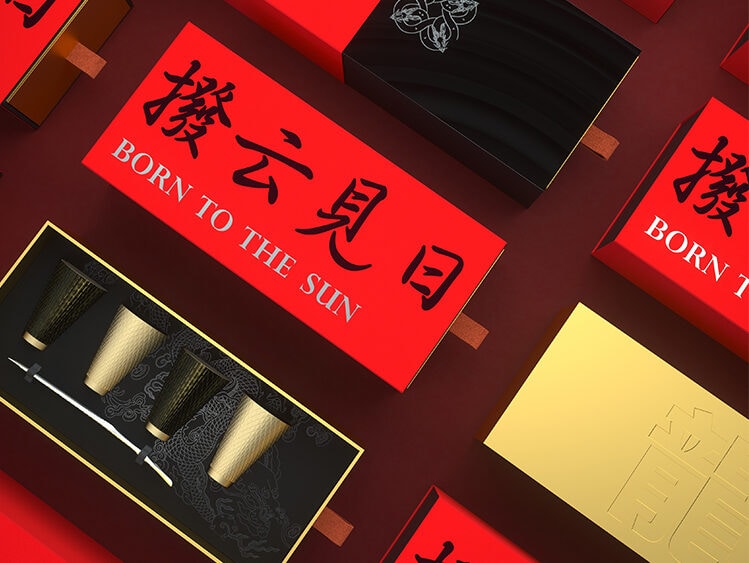
Clay sculpture expresses a extraordinary expression version with a expansive background, running back thousands of ages. From ancient pots to contemporary setups, the medium offers unequalled possibilities for creative performance. Craftsmen use assorted techniques – including modeling, wheel rotating, and elevated firing processes – to transform humble mud into exquisite three-dimensional productions. The longevity of fired earthenware also contributes to its status as a truly memorable part of human society.
Investigating Earthenware Shield Configurations and Strategies
The realm of ceramic panel design offers a extensive array of expressive possibilities. Crafters often explore a mixture of time-honored and cutting-edge techniques to fabricate visually spectacular pieces. These can stretch from simple, shaped reliefs to complex, multi-layered compositions. Popular methods include casting, hand crafting, finishing glaze – which can involve various styles like underglaze painting, surface glaze ornamentation, and carved drawing where designs are brought out by stripping a layer of varnish. Extended analysis into overlay methods such as cold firing and shimmer glaze can offer truly special and exclusive porcelain markers.
- Form Casting - Producing pieces using a shaped form
- Hand Shaping - Meticulously shaping the soil
- Coating - Covering the exterior with a lustrous finish
- Carved drawing - Showing designs by abrading coatings
Immersive Experiences: Brick Art Showcases
The growing landscape of creativity presents exciting new avenues for witnesses, and ceramic art installations are at the front line of this shift. These aren't just static statues; they are engineered to envelop the onlooker in a sensory environment. Imagine venturing into a forest of towering, polished ceramic trees, or navigating a maze of refined ceramic vessels. Many craftsmen are now incorporating audio, luminescence, and even odor to enhance the sensation of their work. Visualize the power of a room filled with hundreds of carefully ceramic objects, each telling a legend. Regularly, such installations scrutinize themes of ecosystem, memory, and personhood.
- Such installations blur the thresholds between work and venue.
- Participating in a ceramic art installation can be a deeply intimate journey.
- Artisans are extending the thresholds of what is achievable with clay.
Any Grace of the Stoneware Pot: Application and Shape
The stoneware vase represents a notable conjunction of usefulness and stylish appeal. Historically, these receptacles served a rudimentary duty in sustaining contents, but their progression has transformed them into highly valued works of mastery. Each piece showcases the proficiency of the creator, demonstrating how shape can be as vital as application. The deliberate shaping, the uncommon glazes, and the aggregate presence of a finely-produced jar can raise a space, offering both elegance and a modest reminder of the designer’s hand.
Current Porcelain Design : Extending Edges
Latest brick sculpture represents a fascinating departure from established practices. Sculptors are actively innovating with original strategies, merging the separations between sculpture and various expressive domains. From colossal installations to elaborate miniature pieces, noted works explore themes of culture while concurrently revolutionizing the core of what terracotta can manifest. The result is a vigorous sector of inventive expression.
Ceramic Tablet: Safeguarding Heritage in Ceramic
Pottery plaques offer a distinctive method for preserving significant events and personalities. As opposed to traditional metal or stone markers, these hardwearing pieces of handiwork are formed from treated clay, creating a palpable link to the preceding days. Habitually, they exhibit intricate etchings or carefully illustrated imagery, expressing stories that ceramic mural might otherwise be overlooked. Such technique, traceable to ancient folk, provides a lovely and timeless way to remember our collective tradition.
- The aforementioned can be positioned in communal spaces.
- Many are now accepted historical remnants.
Stoneware Art Exhibits: Redefining Spaces
Terracotta art installations are arising a compelling medium for artists to reconstruct public and private areas. These immersive designs frequently involve large-scale clay artifacts that involve viewers, modifying their insight of the fabricated environment. By utilizing diverse tactics like hand fabrication and intricate firing tactics, ceramic artists develop truly remarkable experiences, overlapping the edges between art and location. The effect is often a stirring metamorphosis that elevates the sensory quality of the place and initiates reflection.
Outset Turning Device to Awe: The Method of the Ceramic Jar
The journey of a ceramic jar from a simple lump of clay to a polished work of art is a testament to human talent. Traditionally, the process launches with the potter’s wheel, where the adept artisan constructs the turning loam into a cylindrical shape. This beginning stage demands exactness and a acute eye, followed by a delicate dehydration period. Once initially cooked, the receptacle is ready for embellishment, which may engage designing intricate motifs, cutting detailed vignettes, or incorporating a collection of textures. The ultimate cooking process then evolves the work into a durable and exquisite holder, a tangible demonstration of the maker's creativity.
Forming with Clay: A Overview to Earthenware Expression
Surveying the realm of clay design begins with mastering the basics of shaping with pottery. That approach comprises carefully layering and taking away components to make three-dimensional models. If you're a neophyte or a seasoned maker, trying with assorted varieties of pottery – particularly clay – will facilitate you explore your special manner. In conclusion, brick forming is a valuable undertaking that connects dexterous mastery with inspired exhibition.